04:23:17:37

Founder Summit begins Nov. 4, 9:00 a.m. ET. Get your pass savings & deals before it starts. REGISTER HERE.

Kleeen raises $3.8M to make front-end design for business applications easy

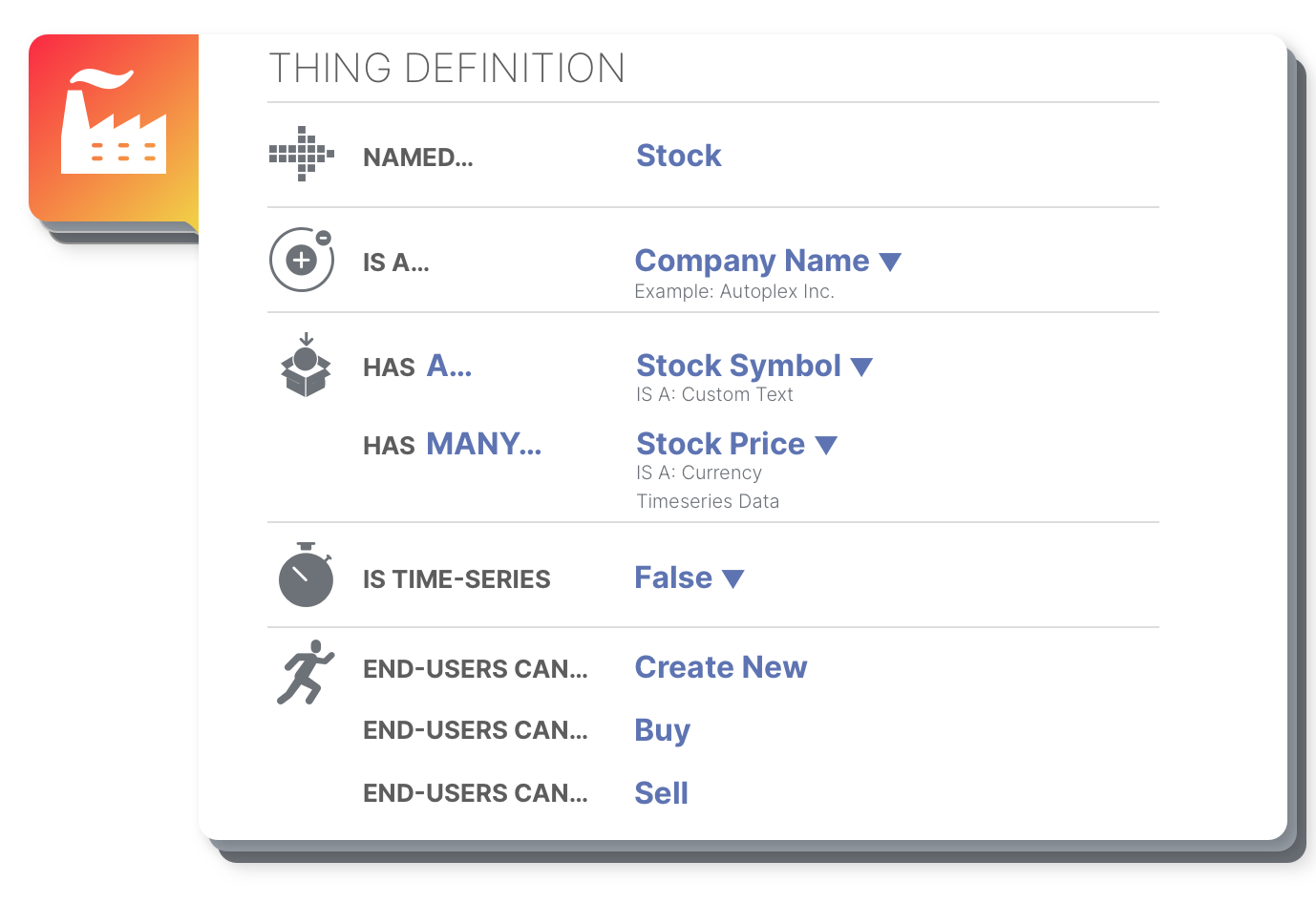
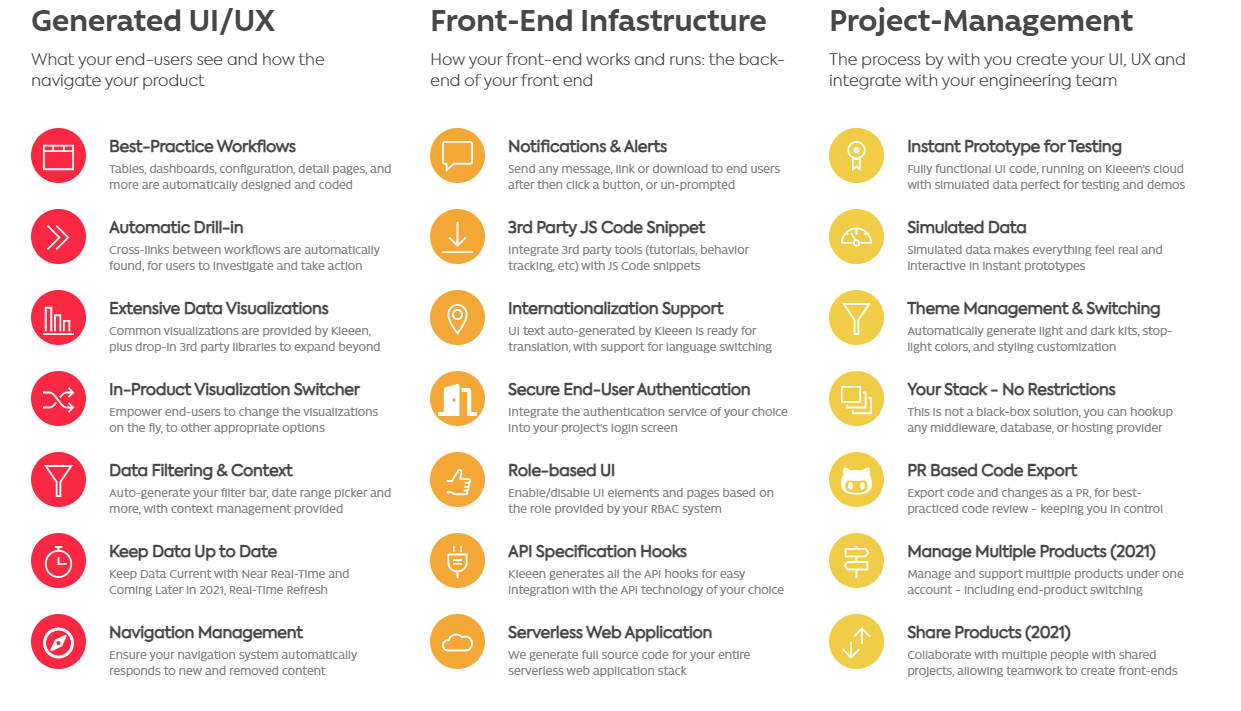
Building a front-end for business applications is often a matter of reinventing the wheel, but because every business’ needs are slightly different, it’s also hard to automate. Kleeen is the latest startup to attempt this, with a focus on building the user interface and experience for today’s data-centric applications. The service, which was founded by a team that previously ran a UI/UX studio in the Bay Area, uses a wizard-like interface to build the routine elements of the app and frees a company’s designers and developers to focus on the more custom elements of an application.

The company today announced that it has raised a $3.8 million seed round led by First Ray Venture Partners. Leslie Ventures, Silicon Valley Data Capital, WestWave Capital, Neotribe Ventures, AI Fund and a group of angel investors also participated in the round. Neotribe also led Kleeen’s $1.6 million pre-seed round, bringing the company’s total funding to $5.3 million.

Image Credits: Kleeen

After the startup he worked at sold, Kleeen co-founder, CPO and President Joshua Hailpern told me, he started his own B2B design studio, which focused on front-end design and engineering.

“What we ended up seeing was the same pattern that would happen over and over again,” he said. “We would go into a client, and they would be like: ‘we have the greatest idea ever. We want to do this, this, this and this.’ And they would tell us all these really cool things and we were: ‘hey, we want to be part of that.’ But then what we would end up doing was not that. Because when building products — there’s the showcase of the product and there’s all these parts that support that product that are necessary but you’re not going to win a deal because someone loved that config screen.”

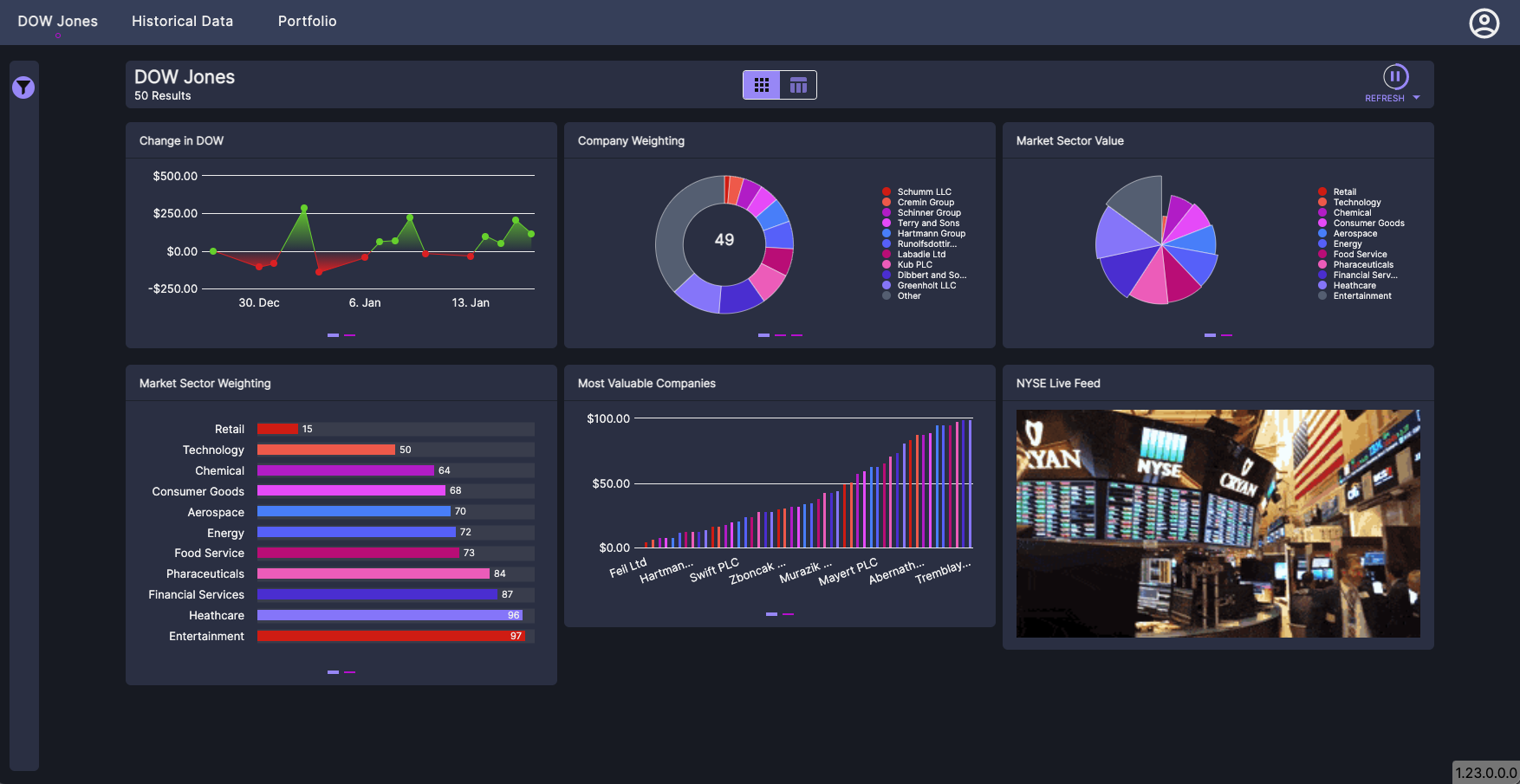
The idea behind Kleeen is that you can essentially tell the system what you are trying to do and what the users need to be able to accomplish — because at the end of the day, there are some variations in what companies need from these basic building blocks, but not a ton. Kleeen can then generate this user interface and workflow for you — and generate the sample data to make this mock-up come to life.

Once that work is done, likely after a few iterations, Kleeen can generate React code, which development teams can then take and work with directly.

0 of 30 minutes, 8 secondsVolume 0%
00:02
30:06
30:08
 
Image Credits: Kleeen

As Kleeen co-founder and CEO Matt Fox noted, the platform explicitly doesn’t want to be everything to everybody.

“In the no-code space, to say that you can build any app probably means that you’re not building any app very well if you’re just going to cover every use case. If someone wants to build a Bumble-style phone app where they swipe right and swipe left and find their next mate, we’re not the application platform for you. We’re focused on really data-intensive workflows.” He noted that Kleeen is at its best when developers use it to build applications that help a company analyze and monitor information and, crucially, take action on that information within the app. It’s this last part that also clearly sets it apart from a standard business intelligence platform.

Topics

, , , , , , , , , , , ,
Keep reading
Image Credits:Google
Apps

As AI agents reshape the web, Google opens Gemini and Search to more apps

Google is making it easier for businesses to connect their apps to its AI experiences across Search and Gemini with the debut of its Connected Apps Platform.

Introduced in Gemini and Google Search earlier this year, connected apps let users securely link and interact with popular third-party services, then use them to take specific actions. For instance, you could connect to Canva to design a flyer, or to YouTube Music to build a playlist.

We’ve seen varying takes on the idea by other consumer-facing AI services like ChatGPT and Meta’s Muse. The premise is that such integrations could ultimately shift consumer behavior away from launching and using individual apps to instead using their favorite services through their preferred AI provider.

However, to successfully capture and retain consumers’ attention, there have to actually be a wide range of connected apps to explore.

Google’s idea is to open its doors to any business or developer that wants to reach users through Search or Gemini by allowing them to submit their own connected apps and monitor their performance.

The platform preview is currently available in beta to developers in the U.S., and will allow developers to build and submit apps that can be used across Google’s products.

To get started, developers would integrate with a cloud-hosted MCP (Model Context Protocol) server or Android MCP using the AppFunctions APIs, then use the Google Connected Console to register, test, and submit their app, Google explains.

Essentially, this process lets devs connect their app to Google’s services so it can be used with the search giant’s AI features. Developers can also choose whether they want their app to be available via Search, the Gemini app, or both.

After the app is live, developers can track traffic, latency, and error rates, and maintain control over their brand identity, such as their verified logos and authenticated accounts.

Similar to how SEO allowed companies and websites to show search engine rankings, this could well be one of the initial steps for businesses that want their services to be more visible to users on the agentic web.

Google already has over 50 Connected Apps available in Gemini, including from partners like Adobe, Experian, Localiza, Peloton, and others, in addition to its own expansive set of services, from Workplace and Photos to YouTube Music and Google Home.

These apps will now come to Google Search over the next few weeks. Search today has fewer integrations, featuring apps like Instacart, Canva, YouTube Music, Yahoo Fantasy Football, and others.

Google said meditation app Calm is another new partner on this effort, and that its app will soon launch on both Gemini and Search.

The new Connected Apps platform is in public preview for U.S. developers who sign up for the waitlist. Google did not share when it would become more broadly available.

Topics

, , , ,
Keep reading
Image Credits:Meta
Apps

Meta quietly launches an AI fashion app called Style Sketch

Meta has quietly launched Style Sketch, an AI fashion app that helps users put together outfit ideas using clothes they already own. The app connects to Instagram to build a virtual closet from photos you’ve posted, or lets you add items manually by snapping a photo, recording a quick video, or uploading images from your camera roll.

Style Sketch then suggests outfit combinations built from your wardrobe matched to your style. Users can then try on the outfits on a “realistic model matched to your body shape and skin tone,” the app description reads.

The app, which was first spotted by social media consultant Matt Navarra, is available in Indonesia, Singapore, and Thailand on iOS and Android.

Meta did not respond to TechCrunch’s request for comment. It’s unknown whether Meta plans to launch Style Sketch more widely.

Several apps already use AI to help users digitize their wardrobes and visualize new outfits, including startups like Alta. Even Google Photos offers tools that let users turn photos of their clothes into digital closets where they can create new outfit ideas.

To compete with what’s already on the market, Meta will likely rely less on the novelty of the idea and more on the app’s integration with Instagram, where users already have a visual record of their personal style.

Rather than relying on random suggestions, users can also select a specific item from their wardrobe and get fresh outfit ideas built around it, according to the app description.

Wiz’s CTO on PHP2Shell and the coming 'vulnpocalypse' | Equity Podcast
0 seconds of 30 minutes, 8 secondsVolume 0%
 

The app can also help users plan outfits for trips. If they enter their destination, trip length, and planned activities, users can get a day-by-day outfit plan that takes the weather forecast and itinerary into account.

Style Sketch is one of many AI apps from Meta in recent months. Most recently, the company launched an app called Waddle World, which essentially looks like a Tamagotchi clone, but with AI. Meta has also launched Pocket, a tool for vibe-coding games, and Vibes, which lets users quickly generate AI-powered videos.

The wave of new apps is part of a broader effort at Meta to release more apps. The Wall Street Journal reported earlier this year that CEO Mark Zuckerberg told employees the company plans to release far more apps than it has historically, as AI-driven efficiencies have made it faster and easier to ship new apps.

Topics

, ,
Loading the next article
Some areas of this page may shift around if you resize the browser window. Be sure to check heading and document order.